Description
OSHA HAZWOPER Annual Refresher Training
Regulations Covered: OSHA 29 CFR 1910.120 and 29 CFR 1926.65
Course Duration: 8 Hours of Video-Based Instruction
Prerequisites: Completion of a 24-hour or 40-hour HAZWOPER Initial Training course
This annual refresher training is intended for hazardous waste site workers who require ongoing OSHA compliance. The course reviews critical topics from initial HAZWOPER training, reinforces safe work practices, and covers updates to applicable regulations, industry standards, and current technologies.
Who Should Attend?
This course is intended for hazardous waste general site workers who handle, remove, or work around hazardous materials and hazardous waste.
Training Topics Include:
- Current EPA and OSHA regulatory updates
- Hazard recognition, site characterization, and chemical hazard assessment
- Chemical properties and potential health effects
- Selection and proper use of Personal Protective Equipment (PPE)
- Air monitoring methods and atmospheric hazard evaluation
- Health and Safety Plan (HASP) requirements and site control procedures
- Construction and job site safety considerations
- Decontamination procedures and best practices
- Medical surveillance, emergency response, and preparedness
Course Materials May Include:
- HAZWOPER student workbook
- Glossary of common terms and industry acronyms
- Measurement and conversion reference charts
- Emergency Response Guide (ERG) 2024 and practical exercises
- Breathing air quality information
- Oxygen monitoring guidelines
- Respirator fit factors, Assigned Protection Factors (APF), and fit testing procedures
- Chemical resistance reference guides
- Incident investigation documentation forms
- Additional reference materials and training resources
Learning Objectives:
Upon completion of this course, participants will be able to:
- Explain OSHA requirements related to hazardous waste operations and emergency response
- Interpret Safety Data Sheets (SDS) and use them during chemical handling and spill response situations
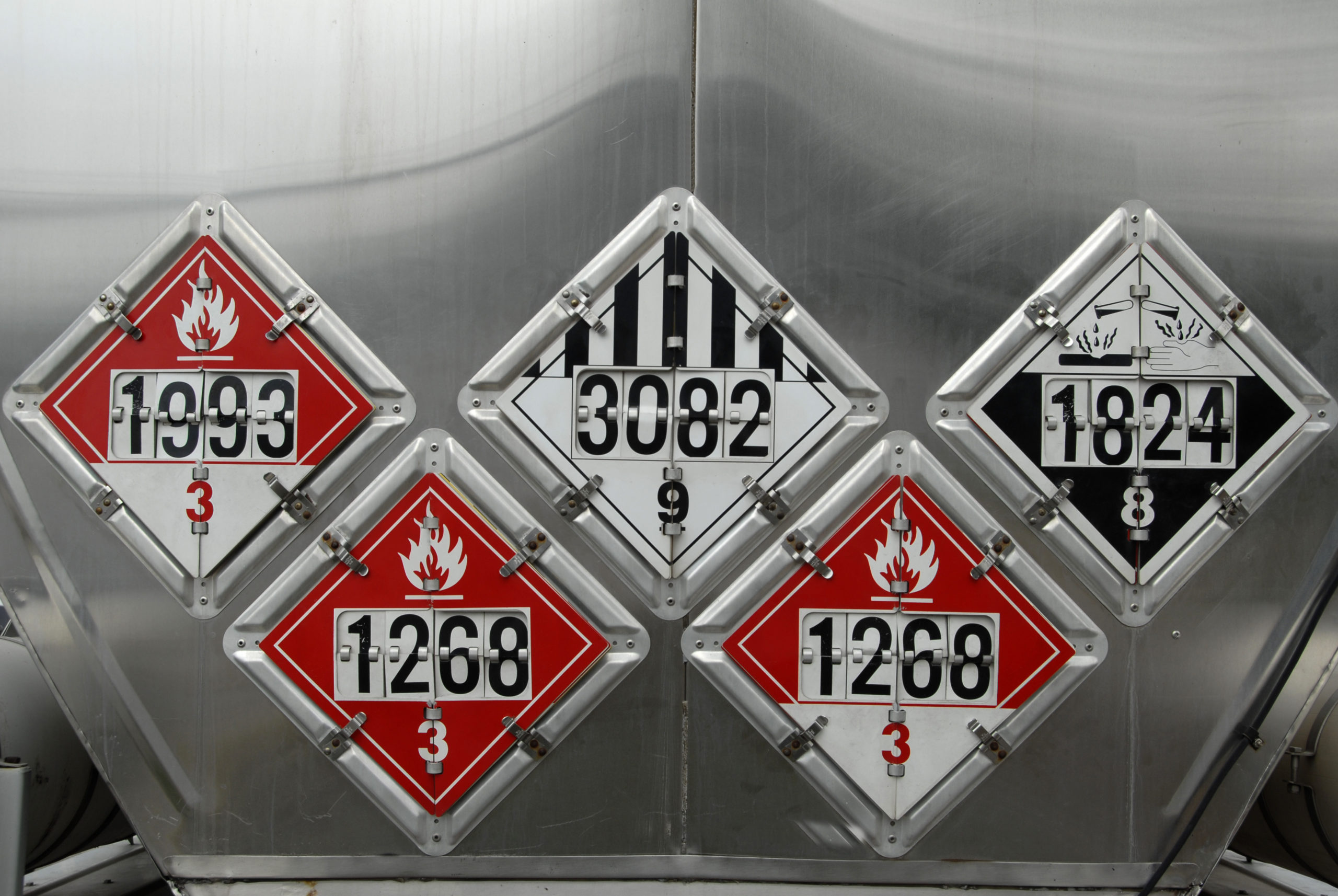
- Identify Department of Transportation (DOT) hazard classifications and their importance
- Perform basic site characterization and identify potential workplace hazards
- Recognize risks associated with corrosive, flammable, reactive, oxidizing, and toxic substances
- Understand how toxic substances can affect the body and the importance of exposure prevention
- Select appropriate PPE based on the hazards present
- Explain respiratory protection requirements and safe usage practices
- Describe decontamination methods, procedures, and levels of decontamination
- Understand emergency response procedures and the importance of protecting themselves and others
- Identify confined space hazards, ventilation methods, permit requirements, and associated health concerns
- Interpret the NFPA 704 Hazard Identification System for chemical hazards
- Differentiate hazardous waste from hazardous materials and understand related regulatory requirements
- Recognize chemical characteristics that may impact human health, property, and the environment
Certification Requirements:
Participants must achieve a minimum score of 80% on all required quizzes to successfully complete the course.
Upon successful completion, participants will receive a certificate of completion, a wallet card, and documentation demonstrating OSHA training compliance.