Description
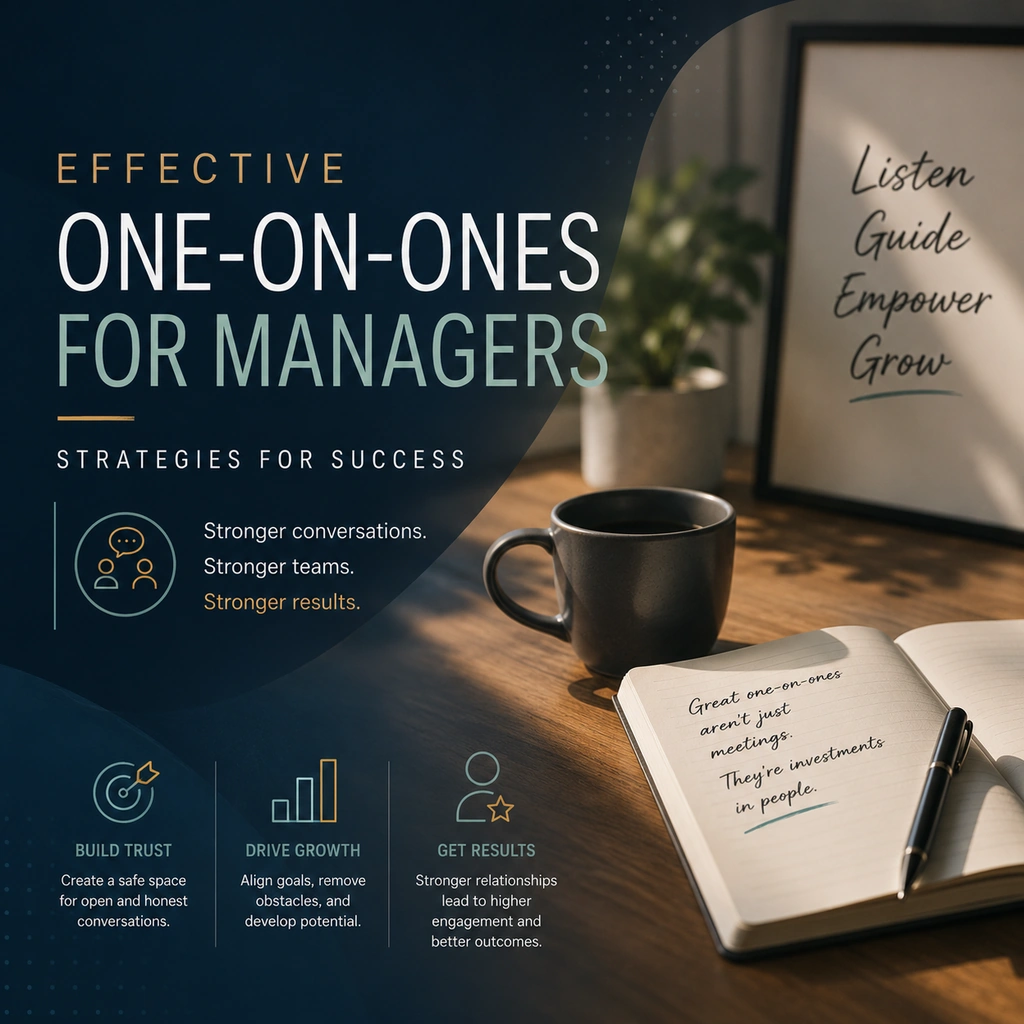
Strong workplace relationships are built through communication, and one-on-one meetings provide a dedicated opportunity for managers and employees to connect. When conducted effectively, these conversations help strengthen engagement, improve performance, and foster a positive workplace culture.
One-on-one meetings give leaders insight into the day-to-day experiences of their team members. They create a space to discuss successes, address obstacles, provide feedback, and better understand employee goals and concerns. These discussions also encourage open communication, helping employees feel valued, supported, and heard.
Beyond sharing information, effective one-on-ones serve as a foundation for coaching, mentoring, and professional development. They allow managers to recognize achievements, provide guidance, and help employees identify opportunities for growth and advancement.
Topics Covered Include:
- The Purpose and Benefits of One-on-One Meetings
- Building Trust Through Communication
- Active Listening Techniques
- Asking Effective Questions
- Providing Meaningful Feedback
- Coaching and Employee Development
- Recognizing Accomplishments and Successes
- Addressing Challenges and Concerns
- Goal Setting and Accountability
- Strengthening Employee Engagement
- Creating Productive Meeting Agendas
- And More
Consistent one-on-one meetings can improve communication, increase employee satisfaction, and help leaders proactively address concerns before they impact performance or retention.
To successfully complete this course, participants must achieve a score of 80% or higher on the final assessment. Upon passing, a certificate of completion will be issued.
Keywords: one-on-one meetings, employee coaching, manager communication, leadership development, employee engagement, workplace communication, performance discussions, coaching conversations, employee development, leadership skills, manager training, workplace culture, employee retention, feedback conversations, team leadership, effective meetings, management training, employee mentoring, communication skills, professional development.