Description
Working with or around machines requires constant attention to safety. Rotating parts, moving components, pinch points, flying debris, and improper tool use can lead to serious injuries, including cuts, crushed fingers, amputations, and other life-threatening incidents.
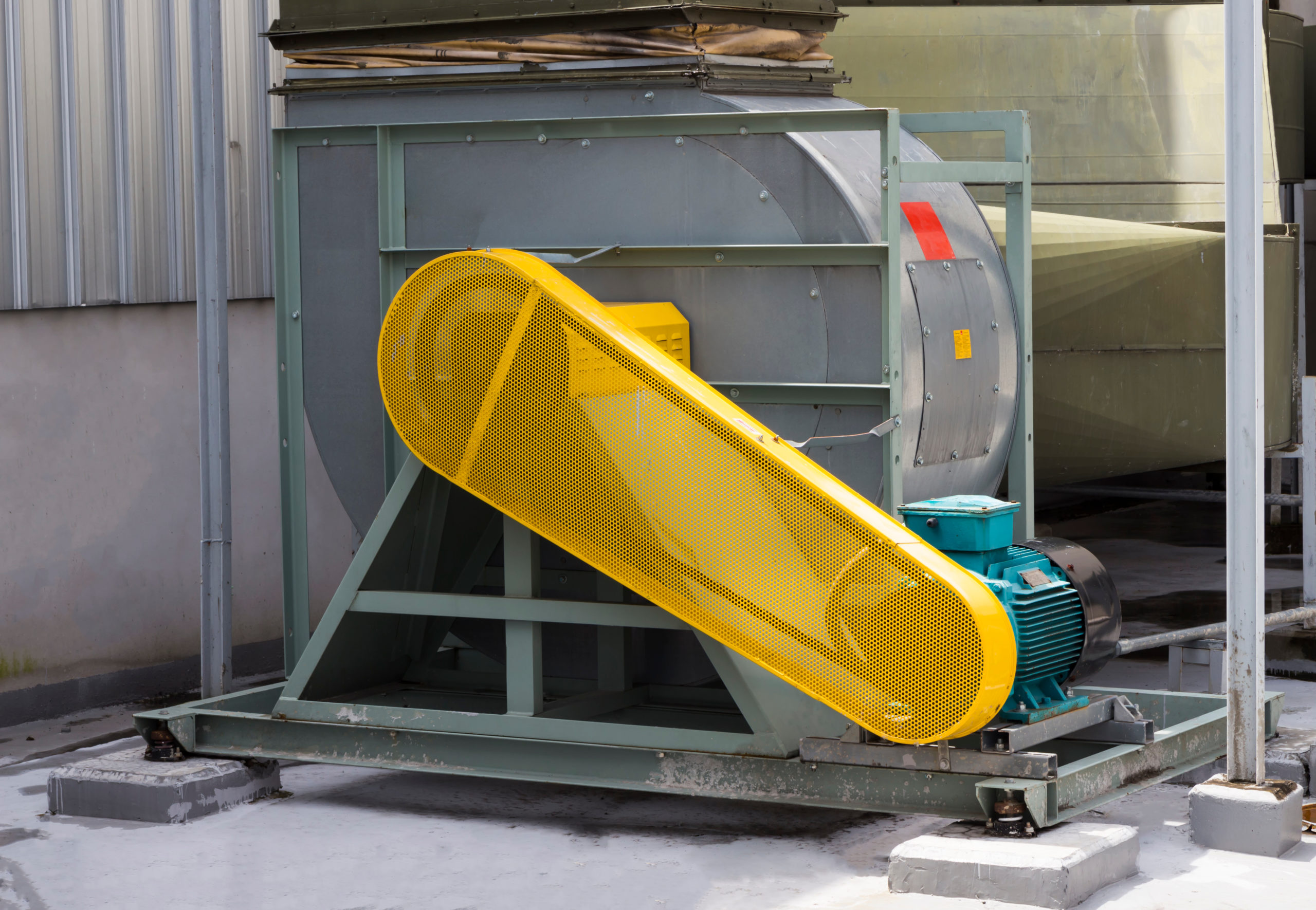
Whether equipment is powered by electricity, air pressure, hydraulics, or other mechanical systems, all machines must be properly maintained, operated as designed, and equipped with appropriate safety guards. Machine guarding helps create a barrier between employees and hazardous moving parts, reducing the risk of contact and injury.
Safe machine operation involves more than simply turning equipment on and off. Employees must wear appropriate clothing, avoid loose items or accessories that could become caught in moving equipment, inspect tools and machines before use, and follow all company safety procedures.
During this training, employees will learn about:
- Common machine hazards and injury risks
- The purpose and types of machine guards and safeguarding methods
- Proper inspection, maintenance, and repair safety practices
- Safe operation of power tools and machinery
- Machine stability and securing equipment before use
- The importance of wearing proper PPE and appropriate work attire
- Following OSHA requirements and established safe work procedures
Understanding machine hazards, maintaining protective devices, and following safe operating procedures are critical steps in preventing workplace injuries and creating a safer work environment for everyone.
Course Duration: 23 minutes
Keywords: Machine guarding, machine safety, machine hazards, equipment safeguarding, power tool safety, OSHA machine guarding, safety guards, moving machinery hazards, equipment inspection, machine operation, workplace safety, PPE, tool safety, mechanical hazards, and safe work practices.