Description
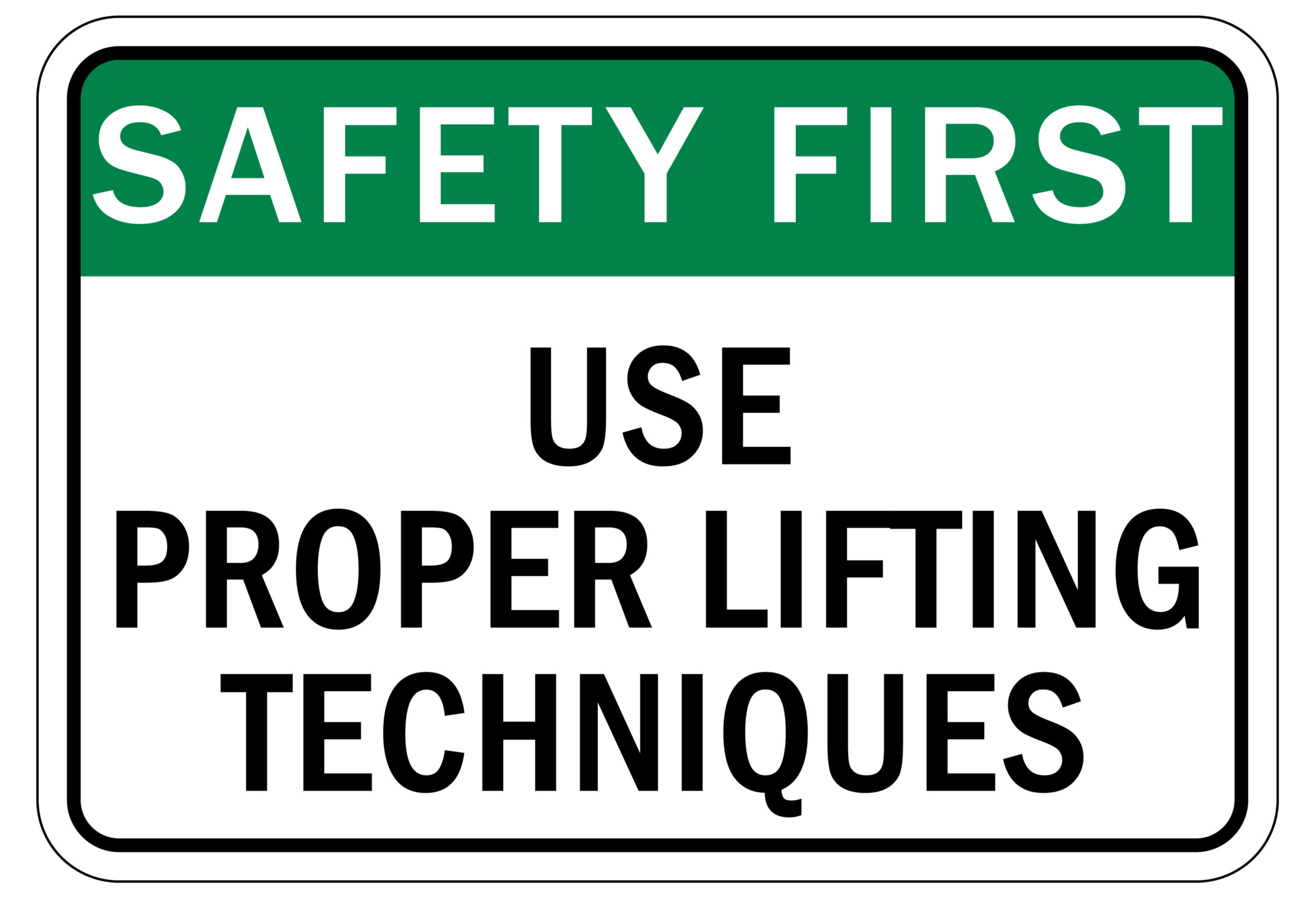
A simple task like lifting a box, carrying equipment, or moving materials can quickly result in an injury if the proper techniques are not used. Back injuries often occur due to poor posture, lifting more than a person can safely handle, twisting while carrying a load, or failing to plan the lift before beginning.
Safe material handling requires more than strength—it requires preparation, awareness, and proper technique. Employees should evaluate the weight of the object, the distance it needs to be moved, the path of travel, available handholds, and whether assistance or mechanical lifting equipment is needed.
During this training, employees will learn about:
- The basics of proper body mechanics and safe lifting techniques
- How to plan a lift and identify potential hazards before moving materials
- Proper posture, balance, and lifting with the legs rather than the back
- Avoiding twisting, reaching, and other movements that increase injury risk
- When to ask for assistance or use mechanical lifting aids
- Recognizing the signs and symptoms of strains, sprains, and other lifting-related injuries
- OSHA expectations and general safe material handling practices
This training incorporates industry-recognized safe lifting principles, including guidance from OSHA and NIOSH, to help employees reduce the risk of workplace injuries and maintain a safer work environment.
Whether you are a new employee learning safe work habits or an experienced worker looking for a refresher, understanding proper lifting techniques is an essential part of preventing injuries on the job.
Course Duration: 15 minutes
Keywords: Material handling, proper lifting techniques, safe lifting, lifting safety, back injury prevention, ergonomics, body mechanics, manual material handling, safe carrying techniques, workplace injury prevention, OSHA lifting safety, NIOSH lifting guidelines, back safety, strain prevention, and safe work practices.